

Ensuring workplace safety is a fundamental responsibility for organizations, yet Serious Injuries and Fatalities (SIFs) remain a persistent challenge across industries. Despite established safety protocols and compliance measures, high-risk situations can escalate unexpectedly resulting in injuries and near misses with sever outcomes. The key to preventing these incidents is identifying risks before they become accidents. Predictive analytics transforms safety management by enabling organizations to anticipate potential SIF events and implement proactive measures to protect their workforce.
The Power of Predictive Analytics in Workplace Safety
Predictive analytics harness historical data, machine learning, and real-time monitoring to identify patterns that indicate potential hazards. Unlike traditional safety measures that react to incidents after they occur, predictive analytics offers a proactive approach, helping companies to:
- Detect early warning signs of unsafe conditions.
- Assess risk factors associated with human behavior, equipment failure, and environmental conditions.
- Implement targeted interventions to mitigate potential SIF events.
By analyzing vast amounts of data, organizations can pinpoint trends and correlations that may not be evident through conventional safety assessments. But how do we harness all the data which surrounds us relating to conditions and behavior?
Key Statistics on SIF Prevention with Predictive Analytics
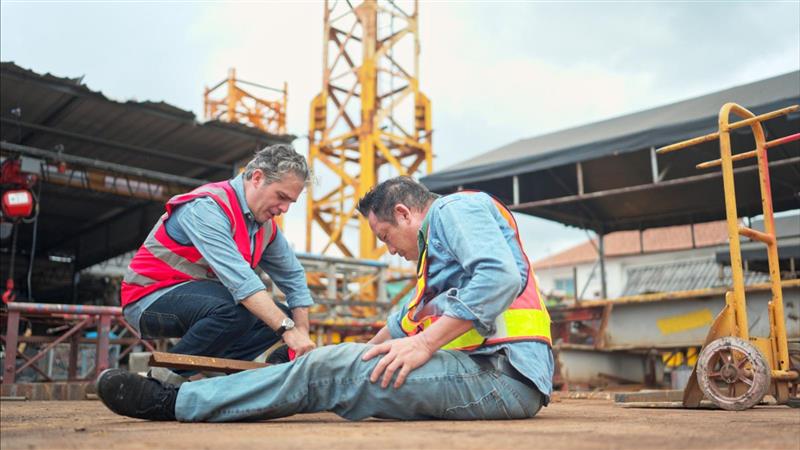
Analytics plays a crucial role in uncovering SIF potential before incidents occur, providing valuable insights for workplace safety. Key findings include:
- SIF Exposure: When analyzed using a consistent methodology, 21% of all reported cases across multiple organizations contained SIF exposures.
- Nonserious Injuries: The likelihood of nonserious injuries with SIF exposure potential varies among companies, with rates ranging from 10% to 36%.
- Workplace Fatalities: In 2019, the number of workplace SIFs peaked at more than 5,000—the highest recorded total since 2007.
- AI-Driven Detection: AI-assisted SIF detection tools analyze audits, work observations, incidents, and CAPAs to uncover hidden safety risks.
- Machine Learning Models: Advanced predictive models process data from sensors, equipment, and other sources to detect patterns indicative of potential hazards.
- Communication Centers: Command centers and communication towers help us to look at data and intervene prior to an incident occurring.
Identifying High-Risk Situations Before They Escalate
One of the most significant advantages of predictive analytics is its ability to uncover hidden risk factors. Companies can analyze historical incident reports, near-miss data, and operational metrics to:
- Identify specific job tasks, locations, or times of day associated with increased risk.
- Recognize patterns that precede SIF events, such as repeated minor incidents or equipment malfunctions.
- Evaluate employee fatigue, stress levels, and compliance with safety protocols in real-time.
- Recognize which controls would have prevented exposure to an unsafe condition.
With this insight, organizations can develop proactive strategies to address these risks before they lead to serious injuries or fatalities.
Enhancing Safety Measures with Data-Driven Decisions
Integrating predictive analytics into safety programs enables organizations to shift from reactive compliance to proactive risk management. Some key benefits include:
- Automated Risk Alerts: AI-driven systems can trigger real-time notifications when risk thresholds are exceeded, allowing safety teams to intervene promptly.
- Data-Backed Safety Training: Organizations can tailor training programs to focus on specific hazards and behaviors by understanding which areas pose the highest risk.
- Enhanced Equipment Maintenance: Predictive analytics can identify patterns in machinery performance, reducing the likelihood of failures that could contribute to SIF incidents.
By leveraging data-driven insights, companies can strengthen their safety culture and reduce the frequency and severity of workplace accidents.
The Future of Workplace Safety
As technology advances, predictive analytics will play an even more significant role in safety risk management. Organizations that adopt data-driven strategies will prevent SIF events and enhance operational efficiency and workforce well-being. By uncovering risks before they turn into tragedies, predictive analytics is shaping the future of workplace safety—one insight at a time.
With the power of analytics, organizations can move beyond compliance and towards a proactive, data-driven approach to safeguarding their employees. The question is no longer whether predictive analytics can enhance safety but how soon organizations will implement it to protect their workforce.
How Rhythm Innovations is Driving Predictive Safety Solutions
Rhythm Innovations is a leader in predictive safety solutions, providing organizations with advanced analytics tools to reduce SIF risks. Our platform continuously collects and analyzes data, offering real-time risk monitoring to detect early warning signs before they escalate.
We use AI-driven insights to identify workplace safety trends, allowing for proactive intervention. Customizable dashboards provide clear visibility into safety risks, incident reports, and compliance metrics, supporting informed decision-making.
Our mission is to empower companies with the tools and insights to protect their workforce and foster a culture of continuous safety improvement.
Conclusion
Predictive analytics is revolutionizing workplace safety by helping organizations identify and mitigate risks before they result in serious injuries or fatalities. By adopting advanced analytics tools, businesses can create safer work environments, enhance compliance, and improve overall operational efficiency. Rhythm Innovations is committed to driving this transformation by offering innovative solutions that proactively empower companies to manage safety risks. Contact Us Today!
Workplace safety is more than regulatory compliance; it demands a forward-thinking approach to prevent incidents such as Serious Injuries and Fatalities (SIFs) before they occur. Organizations must proactively identify hazards, track safety incidents, and foster a culture of accountability to protect employees and maintain operational stability. Without a centralized Safety Risk Command Center to communicate data, businesses struggle with inefficiencies and limited real-time visibility. Which direction should the organization pivot? Reactive decision-making increases safety risks, compliance failures, and costly disruptions.
Understanding Safety Risks and the Importance of SIF Prevention
Workplace safety is a multifaced challenge, with risks ranging from minor injuries to life-threatening incidents. While many organizations focus on reducing overall injury rates, SIFs require a distinct approach to focus on those incidents which have the potential to have a severe impact. SIFs often result from underlying high-risk conditions, systemic failures, or missed warning signs that traditional safety programs may not adequately address.
Identifying and mitigating SIF precursors is essential for preventing tragic outcomes. Organizations may struggle with delayed incident responses and ineffective hazard mitigation strategies without proper tracking and proactive intervention. A data-driven, predictive approach to safety helps address these challenges by enabling organizations to analyze trends, improve training, and implement targeted risk reduction.
Why a Command Center is a Game-Changer
The importance of proactive risk management in workplace safety is more evident than ever. A Verdantix study shows that organizations prioritizing leading indicators—such as near-miss reporting, hazard identification, and proactive safety measures—see improved workplace safety outcomes. These proactive measures help prevent serious incidents and foster a safer work environment. Significantly, 79% of reported workplace risks fall under the highest and highest priority categories, reinforcing the need for early detection and intervention strategies.
Additionally, 69% of EHS professionals are making SIF reduction a top priority, underscoring the growing emphasis on proactive safety management. These insights highlight organizations’ need to implement a data-driven safety strategy to minimize risks and safeguard their workforce effectively.
How the Safety Risk Command Center Works
The Command Center is a central hub consolidating data, technology, and automation to improve workplace safety. It goes beyond traditional EHS systems by integrating and analyzing data from across the enterprise, including maintenance records, personnel health data, fatigue levels, and employee information. By utilizing real-time monitoring and predictive analytics, organizations can proactively identify potential hazards before they escalate into serious incidents. This system enhances incident response by facilitating immediate corrective actions and minimizing operational disruptions. Furthermore, it strengthens cross-team communication, fostering a culture of accountability and continuous safety improvements.
Transforming Safety Management
A well-structured Safety Risk Command Center enhances workplace safety by integrating real-time data, predictive analytics, and proactive risk mitigation strategies. The following key benefits highlight how such a system can drive meaningful safety improvements:
- Enhanced Incident Visibility: Real-time access to data allows safety teams to respond immediately and prevent accidents.
- Proactive Hazard Identification: AI-driven risk assessments detect potential SIF precursors and enable early intervention.
- Automated Compliance Monitoring: Ensures adherence to industry regulations with real-time audits and training oversight.
- Empowered Safety Culture: Encourages employees to actively participate in risk reporting, fostering a more engaged workforce.
Rhythm Innovations’ Safety Risk Command Center: The Solution
Rhythm Innovations offers an advanced Safety Risk Command Center designed to centralize safety operations, drive proactive risk management, and significantly reduce SIF occurrences.
Key Capabilities:
- Centralized Safety Dashboard: Provides a real-time view of safety metrics, incident reports, SIF precursors, and compliance status.
- SIF Prevention & Risk-Based Safety Analytics: Identifies high-risk work environment, tracks near-misses, and prevents potential incidents.
- Automated Compliance & Safety Training Tracking: Ensures regulatory compliance and tracks training completion for employees and contractors.
- Incident Reporting & Corrective Action Workflows: Enables real-time reporting, automates root cause analysis, and prioritizes SIF-related hazards.
- Hazard Identification & Risk Assessments: Conduct proactive risk evaluations to flag and mitigate high-risk conditions.
- Real-Time Alerts & Emergency Response Management: Notifies teams of SIF-related emergencies and automates safety response protocols.
- Employee Safety Feedback & Reporting Portal: Encourages workforce participation in safety initiatives through open and anonymous reporting options.
Conclusion
The future of workplace safety depends on innovative solutions that go beyond compliance and focus on proactive risk management. A centralized Safety Risk Command Center enables organizations to detect, assess, and mitigate hazards before they lead to SIF. By adopting Rhythm Innovations’ advanced safety solutions, businesses can achieve real-time visibility, streamlined compliance, and a safer work environment for their employees.
Discover how Rhythm Innovations’ Safety Risk Command Center can revolutionize your safety strategy and create a safer work environment for all. Contact Us Today!
Navigating the complexities of workforce compliance is a top priority for businesses aiming to mitigate legal risks and maintain a strong reputation. Organizations must adhere to a vast array of regulations governing employment practices, from wage laws to workplace safety. Failure to comply can result in severe financial penalties, legal disputes, and reputational damage, making it essential for companies to proactively manage their compliance strategies.
Understanding Workforce Compliance
Workforce compliance involves adhering to local, state, and federal laws and regulations that govern employment practices. This encompasses areas such as wage laws, overtime regulations, workplace safety, data protection, and fair treatment of employees. Ensuring compliance not only mitigates legal risks but also fosters a positive work environment and enhances organizational reputation.
Common Compliance Challenges
- Wage and Hour Violations: Mismanagement of overtime and failure to comply with minimum wage laws can lead to significant legal repercussions. Employers must accurately track and compensate employees to avoid such violations.
- Fair Workweek Regulations: Laws requiring predictable scheduling and advance notice to employees are becoming more prevalent. Non-compliance can result in penalties and disrupt operations.
- Worker Classification: Misclassifying employees as independent contractors can lead to legal challenges and financial liabilities. It’s essential to correctly classify workers to comply with labor laws.
- Data Protection and Cybersecurity: With the rise of remote work and digital communication, safeguarding employee data has become paramount. Employers must implement robust cybersecurity measures to protect sensitive information.
Strategies for Effective Compliance Management
- Stay Informed: Regularly monitor employment law and regulation changes to ensure ongoing compliance. Engage with legal experts and industry associations to stay updated on best practices.
- Implement Robust Policies: Develop clear, comprehensive policies that address all aspects of employment law. Ensure these policies are communicated effectively to all employees and are consistently enforced.
- Leverage Technology: Utilize workforce management software to automate compliance processes, track employee hours accurately, and manage scheduling effectively. Automation reduces the risk of human error and enhances efficiency.
- Conduct Regular Audits: Periodically review compliance practices and records to identify and address potential issues proactively. Regular audits help maintain compliance and demonstrate a commitment to lawful practices.
- Provide Ongoing Training: Educate employees and management on compliance requirements and ethical standards. Continuous training fosters a culture of compliance and reduces the likelihood of violations.
The Role of Rhythm Innovations
At Rhythm Innovations, we offer an advanced, AI-driven platform designed to revolutionize compliance and risk management. Our solution provides:
- Automated Workflows: Reduce manual effort with customized workflows that enhance efficiency and accuracy.
- Advanced Reporting: Access real-time, centralized data with interactive dashboards for actionable insights.
- AI-Driven Insights: Predict risks and trends using intelligent algorithms for proactive decision-making.
- Streamlined Collaboration: Foster alignment across teams and partners for unified risk management.
By integrating our platform into your compliance strategy, you can navigate the complexities of legal risks in people management with confidence and precision.
Conclusion
Effectively managing legal risks in workforce compliance is essential for the longevity and success of any organization. By understanding common challenges, implementing strategic practices, and leveraging advanced solutions like those offered by Rhythm Innovations, businesses can ensure compliance, mitigate risks, and foster a positive, lawful workplace environment.
Every workplace carries inherent risks, but some incidents have far more significant consequences than others. When a company experiences a serious injury, it creates both human and financial impacts. The human impacts can be felt from the boardroom to the floor level. The economic costs impact the bottom line both directly and indirectly. Capturing Serious Injury and Fatality (SIF) data incidents helps organizations understand where the potential exposure for a serious injury is to occur so that risk can be avoided.
Understanding the actual cost of serious incidents allows organizations to comprehend why the focus of SIF can also play a critical role in cost avoidance. OSHA’s Safety Pays web page provides a good tool for estimating costs based on injury type. When considering a serious injury such as an amputation and using their OSHA calculator tool, the indirect and direct costs for a single injury amount to over $200,000 per incident. To put this into revenue terms, maintaining the same bottom-line profit would require generating at least an additional $9M in revenue to offset these costs.
The Direct and Indirect Costs of SIF Incidents
Direct Costs: The Immediate Financial Impact
Direct costs are the most visible financial consequences of SIF incidents. These expenses arise immediately after an accident and include:
- Medical Expenses: Emergency care, hospitalization, rehabilitation, and long-term medical treatment for injured employees can lead to significant costs, ranging from $200,000 to over $1,000,000 per incident.
- Workers’ Compensation Claims: Businesses must cover workers’ compensation and wages, which increases with the severity of the injury or fatality and often costs between $150,000 and $2M+ per case.
- Regulatory Fines and Penalties: Organizations may face hefty fines, sometimes exceeding $150,000 per violation, if an incident violates OSHA or other regulatory guidelines.
- Legal Expenses: Lawsuits from employees or their families can lead to costly settlements and legal fees, with some cases costing between $500,000 and $5M+.
- Insurance Premium Increases: Frequent or severe workplace incidents result in higher insurance costs.
- Physical Modifications: The severity of an incident can require physical modifications, such as equipment upgrades or property damage repair.
Medical expenses, workers’ compensation claims, regulatory fines, legal settlements, and insurance premium increases quickly add up. Depending on the severity and circumstances, the total direct cost of a single SIF incident will typically be over $1M. These costs alone can place a substantial financial burden on companies, making proactive safety measures critical to minimizing risk and reducing financial liabilities.
Indirect Costs: The Hidden Business Burden
While direct costs are substantial, the indirect costs of SIF incidents often have an even more significant long-term impact on businesses. They typically range from four to ten times higher than the direct costs. These include:
- Lost Productivity A serious injury or fatality can halt operations, leading to delays, missed deadlines, and decreased efficiency.
- Training and Replacement Costs: Businesses must recruit, hire, and train new employees to replace injured workers, which adds significant overhead.
- Reputational Damage: A workplace incident can erode trust among customers, stakeholders, and prospective employees, potentially affecting future business opportunities.
- Decreased Employee Morale: Workplace incidents create an environment of fear and anxiety, leading to disengagement and lower productivity.
- Operational Disruptions: Investigations, safety audits, and corrective actions consume time and resources, diverting focus from business growth.
Since indirect costs are estimated to be four to ten times higher than direct costs, total SIF costs will be significantly higher. These hidden expenses can quickly escalate, leading to financial strain, operational disruptions, and long-term damage to a company’s reputation.
The Human Impact of SIF Incidents
Beyond financial consequences, workplace incidents take a significant toll on individuals and their communities. Employees who suffer serious injuries may experience long-term disabilities, emotional trauma, and economic hardship. Families of affected workers endure stress and uncertainty, especially when the injured employee is the primary breadwinner.
Coworkers who witness or are impacted by such incidents may struggle with anxiety, reduced trust in workplace safety, and lower morale. A company’s culture and commitment to safety play a crucial role in mitigating these effects. Proactive safety measures, mental health support, and leadership engagement help reassure employees and foster a secure work environment.
How Rhythm Innovations Can Help
Rhythm Innovations offers digital solutions to help businesses efficiently prevent and manage SIF incidents. Our platform provides:
- Real-Time Safety Monitoring: Track workplace hazards using data-driven insights and automated alerts.
- Automated Compliance Management: Streamline safety reporting and regulatory tracking to stay compliant.
- Incident Analysis and Prevention: Use predictive analytics to identify risks and prevent accidents.
- Risk Mitigation Planning: Leverage data insights to develop proactive safety strategies.
By adopting Rhythm Innovations’ solutions, businesses can enhance workplace safety, reduce costs, and create a more secure workplace.
Conclusion
SIF incidents are more than costly; they pose serious risk to employee well-being and business stability. The financial burden, reputational damage, and productivity loss can set companies back for years. By prioritizing proactive safety measures and leveraging technology-driven solutions, businesses can create a safer workplace, reduce liabilities, and protect their workforce. Investing in prevention today ensures a stronger, more resilient organization for the future.
Contact Rhythm Innovations today to implement cutting-edge safety solutions and create a safer, more secure, and productive workplace for your employees.